

Complete Weight Loss Guide
Losing weight is one of the most common health goals around the world. Many people try different diets, workout plans, and supplements, but they often struggle to see lasting results. The truth is that successful weight loss is not about quick fixes or extreme dieting. Instead, it requires a combination of healthy eating, regular physical activity, and sustainable lifestyle habits.
This complete weight loss guide will help beginners understand how to lose weight safely and effectively using science-based strategies. If you follow these tips consistently, you can achieve your weight loss goals while improving your overall health.
Table of Contents
Understanding How Weight Loss Works
Before starting a weight loss journey, it is important to understand the basic principle behind losing weight. Weight loss occurs when your body burns more calories than it consumes. This is known as a calorie deficit.
When you eat fewer calories than your body needs for daily activities, your body begins to use stored fat as energy. Over time, this process leads to fat loss and weight reduction.
However, creating a calorie deficit does not mean starving yourself. Extremely low-calorie diets can slow down your metabolism and lead to nutritional deficiencies. The goal should always be sustainable weight loss that supports your health.
Choose a Healthy and Balanced Diet
Diet plays the most important role in weight loss. Many successful weight loss programs focus on eating whole, nutritious foods while reducing processed foods and added sugars.
One of the most recommended eating patterns is the Mediterranean Diet, which emphasizes vegetables, fruits, whole grains, healthy fats, and lean protein. This diet has been linked to improved heart health and sustainable weight management.
Another popular approach is the Keto Diet, which focuses on reducing carbohydrate intake and increasing healthy fats. Some people find it effective for short-term weight loss.
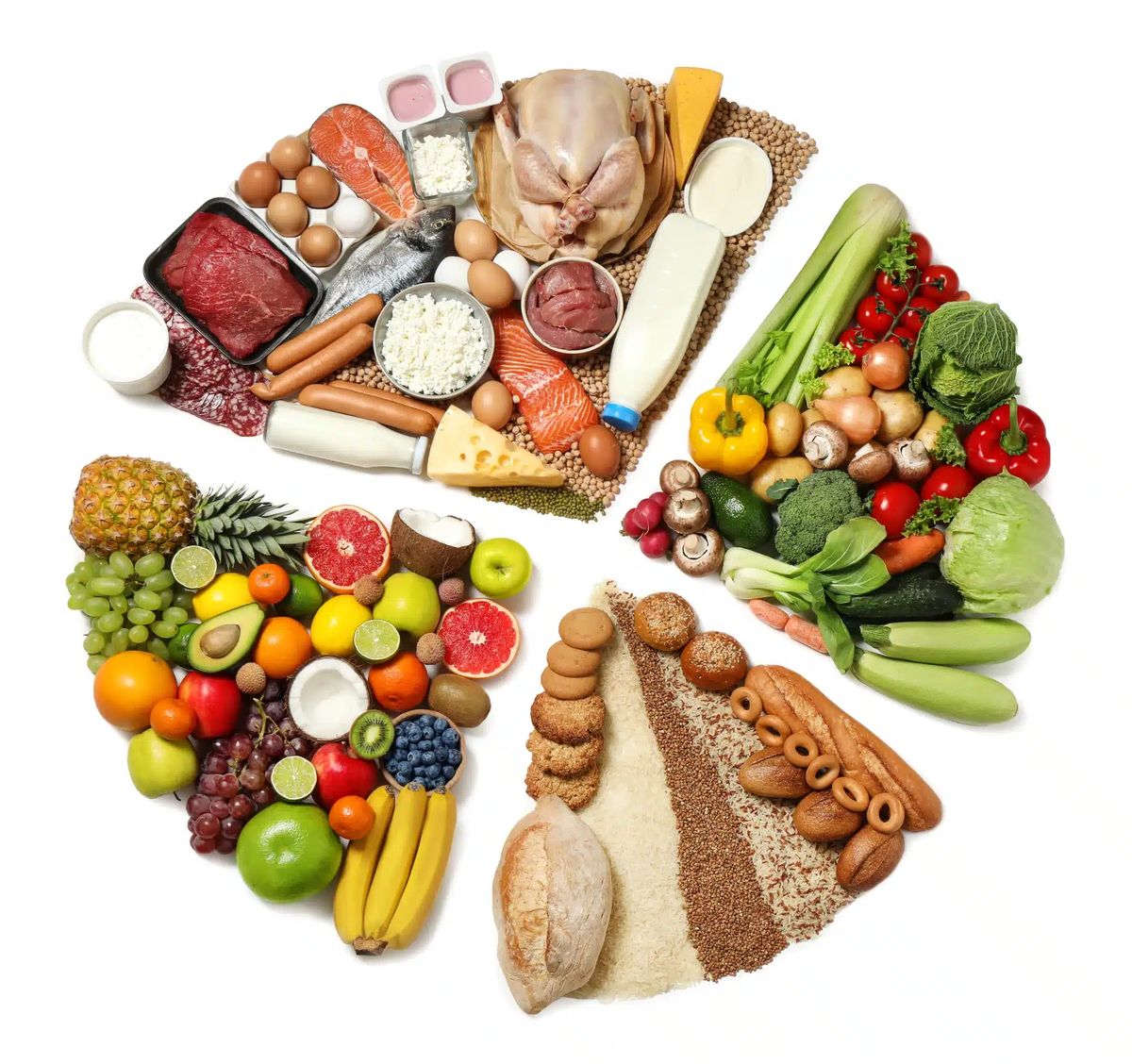
Regardless of which diet you choose, try to include the following foods in your daily meals:
- Lean protein sources such as chicken, fish, eggs, and beans
- Fresh fruits and vegetables
- Whole grains like oats and brown rice
- Healthy fats such as olive oil and nuts
- At the same time, limit processed snacks, sugary drinks, and fast food. These foods are often high in calories but low in nutrients.
Increase Your Protein Intake
Protein is one of the most important nutrients for weight loss. Eating protein helps you feel full for a longer time, which can reduce overall calorie intake.
Protein also helps preserve muscle mass during weight loss. Maintaining muscle is important because muscle tissue burns more calories than fat, even when you are resting.
Good sources of protein include:
- Chicken breast
- Fish and seafood
- Eggs
- Greek yogurt
- Lentils and beans
- Tofu
Adding a protein source to every meal can help improve satiety and support your weight loss goals.
Drink Healthy Beverages
Many people consume extra calories through sugary drinks such as soda, sweetened coffee, and energy drinks. Replacing these beverages with healthier options can significantly reduce daily calorie intake.
Water is the best drink for weight loss because it contains zero calories and supports overall health. Drinking water before meals may also help you feel fuller and eat less.
Some natural drinks may also support weight loss. For example, drinks made with Apple Cider Vinegar are often used as part of healthy weight loss routines. While it is not a magic solution, some studies suggest it may help control appetite and improve digestion.
Other healthy beverage options include:
- Green tea
- Black coffee (without sugar)
- Lemon water
- Herbal teas
Avoid beverages that contain large amounts of added sugar, as they can quickly increase calorie intake.

Exercise Regularly
Physical activity is another key component of a successful weight loss program. Exercise helps burn calories, improve metabolism, and support overall health.
One of the simplest and most effective exercises is Walking. Even a daily 30-minute walk can contribute to calorie burning and improved cardiovascular health.
If you want faster results, you may include more intense activities such as Running or High-Intensity Interval Training (HIIT). HIIT workouts involve short bursts of intense exercise followed by brief rest periods. These workouts are known for burning a high number of calories in a short time.
Strength training is also important because it helps build muscle and improve metabolism. Try to include resistance exercises such as squats, push-ups, or weightlifting at least two or three times per week.

Improve Sleep Quality
Sleep plays a bigger role in weight loss than many people realize. Poor sleep can disrupt hormones that regulate hunger and appetite.
When you do not get enough sleep, your body may produce higher levels of the hormone ghrelin, which increases hunger. At the same time, levels of leptin, the hormone responsible for feeling full, may decrease.
For most adults, experts recommend getting 7 to 9 hours of sleep per night. Good sleep habits that can help include:
Going to bed at the same time every night
Avoiding screens before bedtime
Creating a comfortable sleeping environment
Reducing caffeine intake in the evening
Better sleep can improve energy levels, reduce cravings, and support healthy weight management.

Manage Stress Levels
Chronic stress can make weight loss more difficult. When you are stressed, your body releases cortisol, a hormone that may increase appetite and promote fat storage, especially around the abdominal area.
Managing stress is therefore an important part of any weight loss plan.
Some effective stress-management techniques include:
Meditation and deep breathing
Regular exercise
Spending time outdoors
Practicing mindfulness
Maintaining a healthy work-life balance
Reducing stress not only supports weight loss but also improves overall mental and physical well-being.

Track Your Progress
Tracking your progress can help you stay motivated and identify what works best for your body. Many people find it helpful to keep a food diary or use mobile apps to monitor calorie intake and physical activity.
However, remember that the number on the scale is not the only measure of progress. Other positive changes may include:
- Increased energy levels
- Improved strength and endurance
- Better sleep
- Reduced body measurements
Focusing on these improvements can help maintain motivation throughout your weight loss journey.

Avoid Crash Diets
Many people try extreme diets that promise rapid weight loss in a short time. While these diets may lead to temporary results, they are often difficult to maintain and can cause health problems.
Crash diets may slow down metabolism, lead to muscle loss, and increase the risk of nutrient deficiencies. When normal eating habits return, people often regain the lost weight.
Instead of following extreme plans, focus on building sustainable habits that you can maintain for the long term.
Stay Consistent and Patient
Weight loss takes time, and results do not happen overnight. A healthy rate of weight loss is typically 1 to 2 pounds per week.
Consistency is the most important factor. Small daily improvements in diet, exercise, and lifestyle habits can lead to significant results over time.
Remember that everyone’s body is different, so progress may vary from person to person. The key is to stay committed and continue making healthy choices.
Conclusion
Achieving sustainable weight loss requires a balanced approach that includes nutritious eating, regular exercise, quality sleep, and effective stress management. There is no single solution that works for everyone, but building healthy habits can lead to long-term success.
By following this beginner’s guide and focusing on gradual improvements, you can lose weight safely while improving your overall health and well-being. The journey may take time, but the benefits of a healthier lifestyle are worth the effort.